Serving Lisle
Structural Drying in Lisle
Call us for a free structural drying estimate
Serving Lisle
Call us for a free structural drying estimate
After extraction, the real question is what remains wet. Drywall can wick water above the visible line, subfloors can hold moisture under finished flooring, insulation can stay saturated, and wood framing can swell behind trim.
Structural drying in Naperville often focuses on finished basements, utility rooms, lower-level family rooms, and wall cavities around sump pits or floor drains. Homes built in the 1960s through 1980s may have layered finishes that hide moisture until odor, staining, or mold appears.
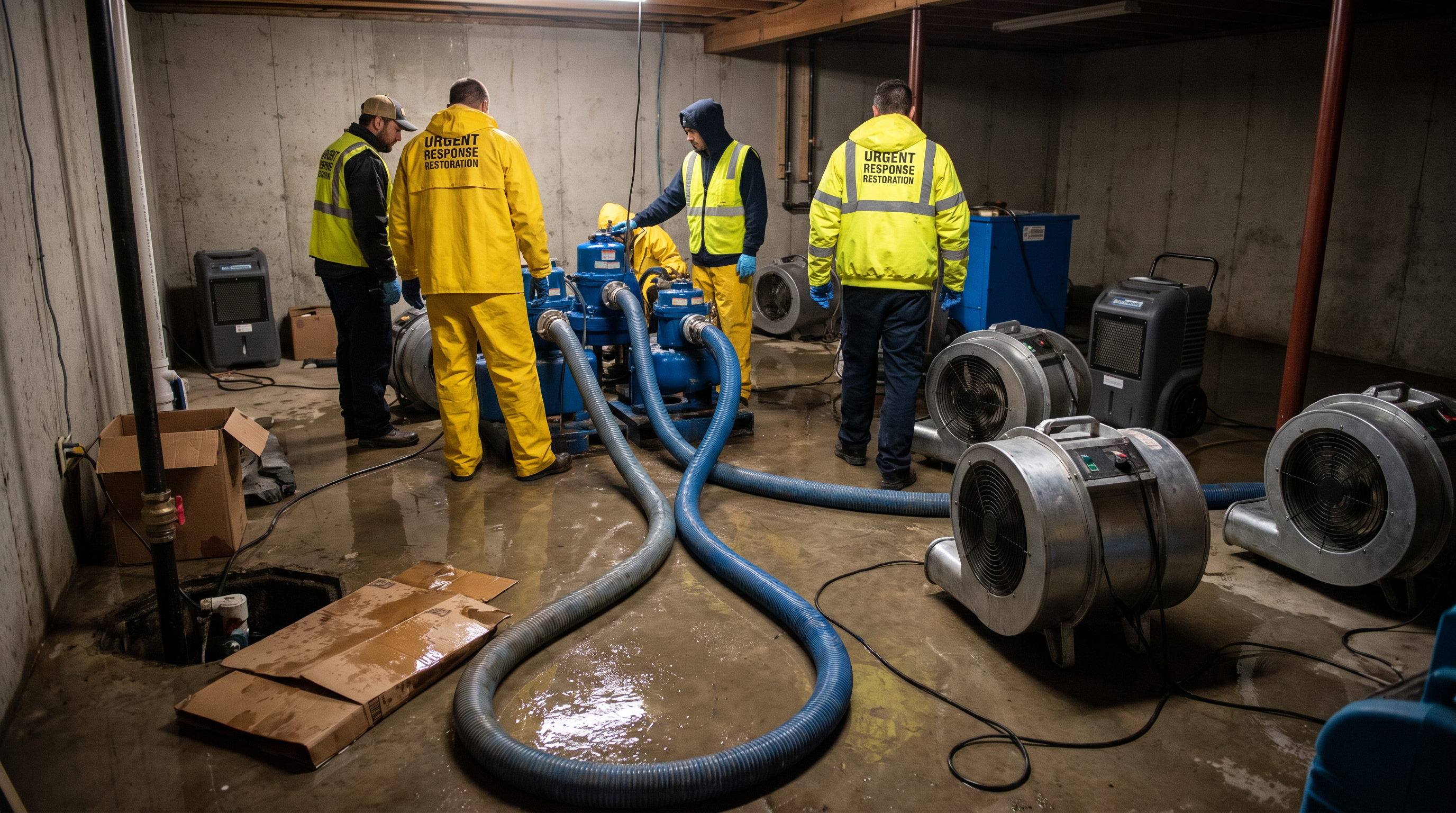
A drying plan should be based on moisture readings, not guesswork. Contractors use meters, thermal imaging where helpful, air movers, dehumidifiers, selective demolition, containment, and daily monitoring to bring materials back to target levels.
Most drying takes several days. A common timeline is 3 to 5 days for dehumidification after extraction, but the actual schedule depends on water category, material type, humidity, how long the water sat, and whether wet porous materials need removal.
Lisle sits along the East Branch of the DuPage River, and that local geography matters during spring rain and storm events. Homes near low areas, wooded lots, and older neighborhoods can deal with sump pump strain, foundation moisture, and basement water after heavy weather.
A Lisle water loss can look small at first because water may travel under carpet, behind baseboards, or into storage areas before it shows across the open floor. Moisture readings are especially important in finished basements and lower-level family rooms.
Naperville Water Damage Cleanup connects Lisle homeowners with licensed contractors who can extract water, check walls and flooring, protect contents, document the source, and dry the structure before mold prevention becomes a larger issue.
Basement drywall, carpet pad, built-ins, paneling, and stored contents can hold moisture long after surface water is gone. Contractors inspect those assemblies instead of relying on sight and touch.
Drying logs, equipment dates, and moisture readings help explain why the work was necessary. That documentation matters when a carrier reviews mitigation charges.
Get moisture readings before wet materials are covered, painted, or rebuilt.
Free — no obligations