Serving Bolingbrook
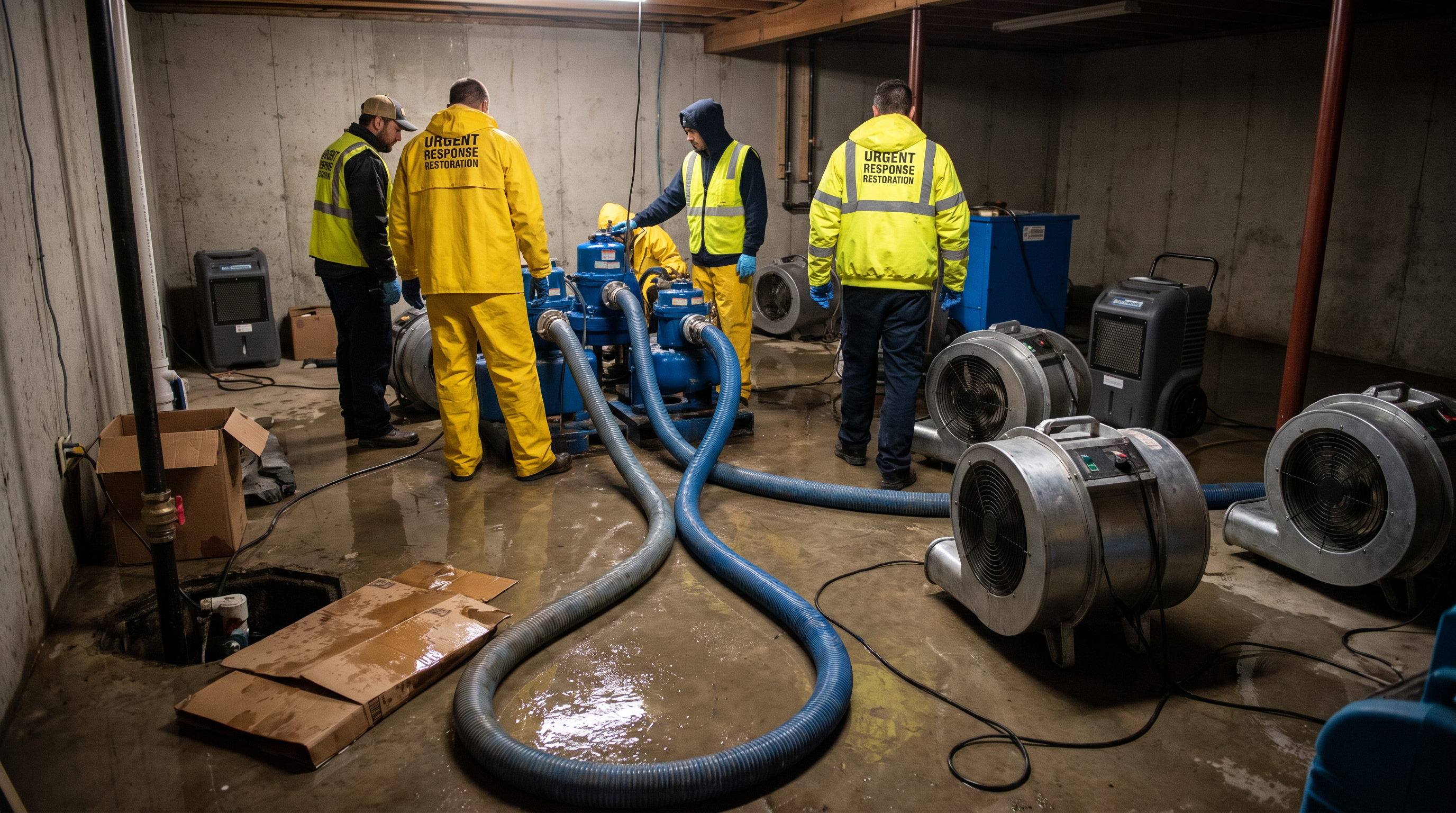
Emergency Water Extraction in Bolingbrook
Call us for a free emergency water extraction estimate
Serving Bolingbrook
Call us for a free emergency water extraction estimate
Standing water should not sit while a homeowner waits for an adjuster. In Naperville, many emergency extraction calls come from failed sump pumps during spring storms, burst pipes during freeze events, appliance supply lines, overflowing fixtures, and water entering finished basements.
Extraction removes the bulk water so drying can actually begin. Wet carpet, pad, baseboards, laminate, hardwood edges, and basement storage can keep pulling moisture into surrounding materials until the water load is reduced.
The source matters because clean water, gray water, and black water require different handling. A broken supply line may be Category 1 at first, while sump water, dishwasher overflow, or sewage backup may need antimicrobial treatment, disposal of porous materials, and stricter safety steps.
Emergency water extraction should include documentation before the scene changes. Photos, moisture readings, water category notes, and room-by-room details help support the claim while the contractor starts the work that limits further damage.
Bolingbrook has many subdivision homes built during the same growth decades as Naperville, with finished basements, sump pits, laundry areas, and stored belongings below grade. Heavy rain and power outages can turn a pump problem into wet carpet, swollen trim, and drywall damage fast.
Water cleanup in Bolingbrook should start by identifying whether the source is a sump failure, drain backup, appliance leak, pipe break, or seepage. That source affects the cleanup method, safety steps, and the way the homeowner documents the claim.
Naperville Water Damage Cleanup connects Bolingbrook homeowners with licensed contractors for extraction, drying, mold prevention treatment, sewage cleanup when needed, and contents documentation before cleanup changes the evidence.
Naperville storms often bring power loss and pump failure together. Matched contractors focus first on water removal, safe access, backup risk, and the basement materials most likely to be lost.
Water removal is only the first phase. The contractor should place drying equipment based on moisture readings, not just remove visible water and leave hidden materials wet.
Request extraction while the water is still contained to floors and low materials.
Free — no obligations