Naperville's Emergency Water Extraction Specialists
Remove Standing Water Before It Spreads
Fast extraction helps protect drywall, flooring, trim, contents, and the insurance record in the first critical hours.
Naperville's Emergency Water Extraction Specialists
Fast extraction helps protect drywall, flooring, trim, contents, and the insurance record in the first critical hours.
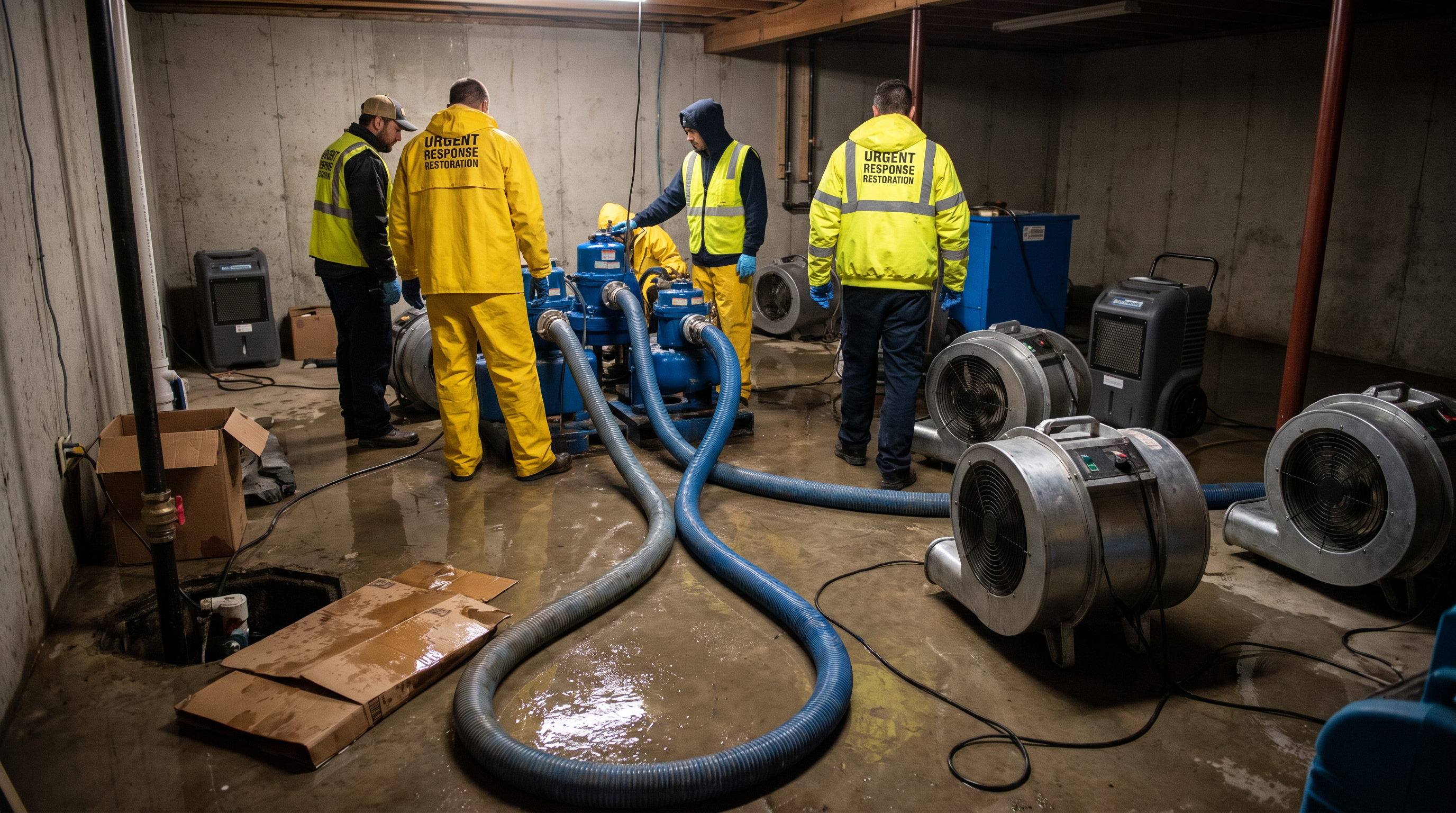
Standing water should not sit while a homeowner waits for an adjuster. In Naperville, many emergency extraction calls come from failed sump pumps during spring storms, burst pipes during freeze events, appliance supply lines, overflowing fixtures, and water entering finished basements.
Extraction removes the bulk water so drying can actually begin. Wet carpet, pad, baseboards, laminate, hardwood edges, and basement storage can keep pulling moisture into surrounding materials until the water load is reduced.
The source matters because clean water, gray water, and black water require different handling. A broken supply line may be Category 1 at first, while sump water, dishwasher overflow, or sewage backup may need antimicrobial treatment, disposal of porous materials, and stricter safety steps.
Emergency water extraction should include documentation before the scene changes. Photos, moisture readings, water category notes, and room-by-room details help support the claim while the contractor starts the work that limits further damage.
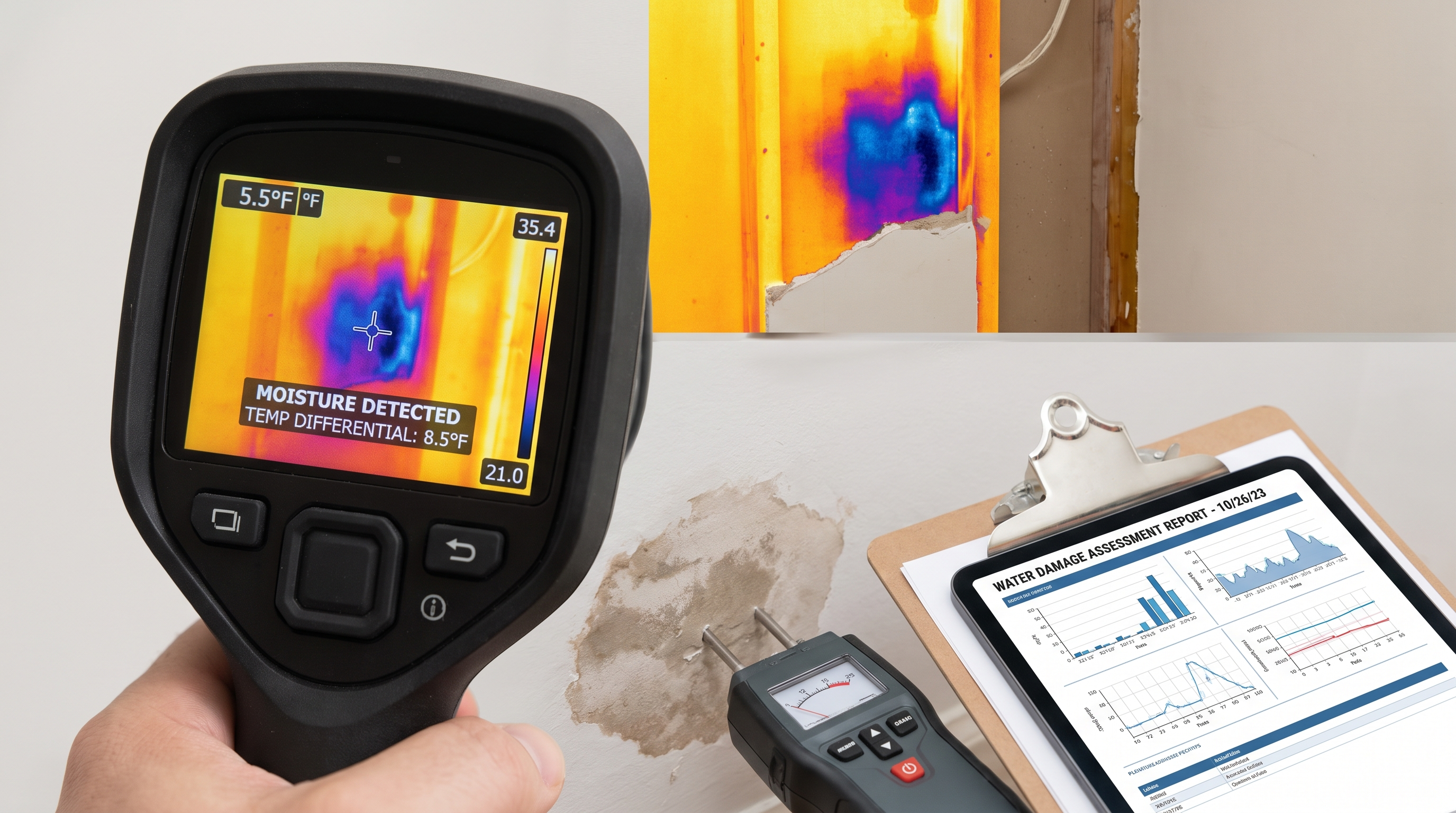
Emergency extraction combines fast water removal, source review, and early documentation so the cleanup does not lose time or claim evidence.
Truck-mounted or portable extraction equipment removes water from floors, carpet, pad, hard surfaces, and basement areas. Removing bulk water lowers the moisture load before drying equipment is placed.
The contractor identifies whether the water came from a clean supply line, sump failure, appliance overflow, stormwater, or sewage backup. That classification affects PPE, disposal, cleaning, and whether occupants should avoid the area.
Photos, source notes, moisture readings, and affected-room records are captured before materials are moved or discarded. This is especially important for Naperville homeowners filing with State Farm, Allstate, Country Financial, Erie, or another carrier.
Naperville storms often bring power loss and pump failure together. Matched contractors focus first on water removal, safe access, backup risk, and the basement materials most likely to be lost.
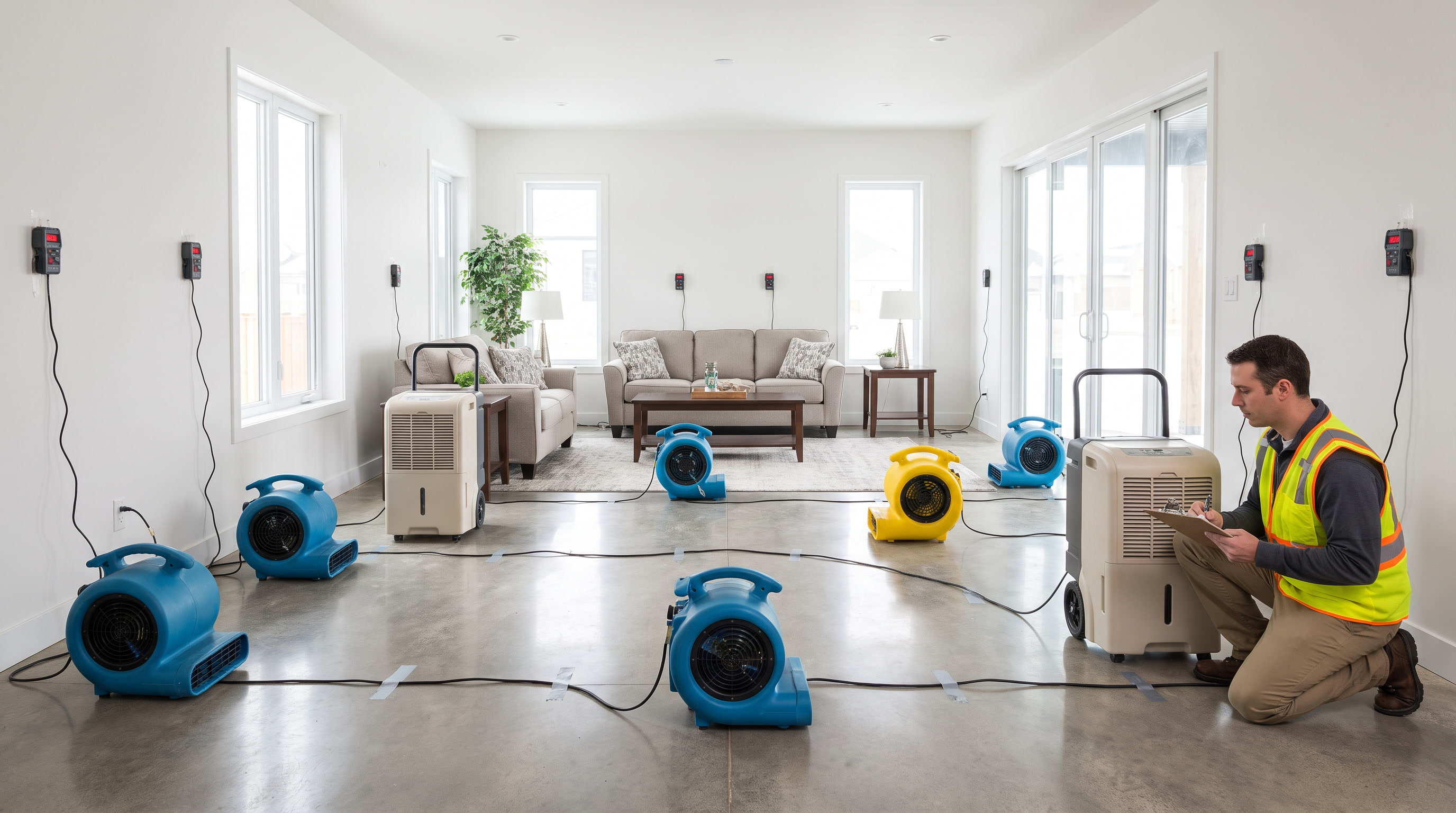
Water removal is only the first phase. The contractor should place drying equipment based on moisture readings, not just remove visible water and leave hidden materials wet.
Request extraction while the water is still contained to floors and low materials.
Free — no obligations
The contractor confirms whether the water source is stopped, checks for electrical hazards, identifies the water category, and sets access limits.
Affected rooms, standing water, damaged materials, contents, and moisture readings are photographed and recorded before cleanup changes the scene.
Extraction equipment removes standing water from basement floors, carpet, hard surfaces, and reachable wet areas.
Air movers, dehumidifiers, containment, and material removal are planned based on what remains wet after extraction.