Serving Naperville & DuPage County, IL
Naperville Water Damage Needs Immediate Cleanup
Standing water can move into walls, flooring, and stored belongings fast, so request a free estimate as soon as the source is found.
Serving Naperville & DuPage County, IL
Standing water can move into walls, flooring, and stored belongings fast, so request a free estimate as soon as the source is found.
Water damage in Naperville usually starts with a clock already running. A sump pump shuts off during a storm outage, the DuPage River and nearby tributaries push water into low areas, a frozen pipe splits in January, or a washing machine line fails while nobody is downstairs. Once water reaches drywall, subflooring, carpet pad, cabinet bases, or stored contents, hours matter.
Naperville has many homes from the 1960s through the 1980s with finished basements, built-in bars, paneling, carpet, mechanical rooms, and boxes of personal property. That layout makes water cleanup more urgent because wet drywall and soft contents can be lost quickly, even when the surface water looks manageable.
Spring flooding is a real local issue across DuPage County, especially near the DuPage River, its branches, and neighborhoods in mapped flood zones. Chicagoland clay soil holds water against foundations, and heavy storm events can overwhelm sump pumps or storm sewers when the power fails at the same time.
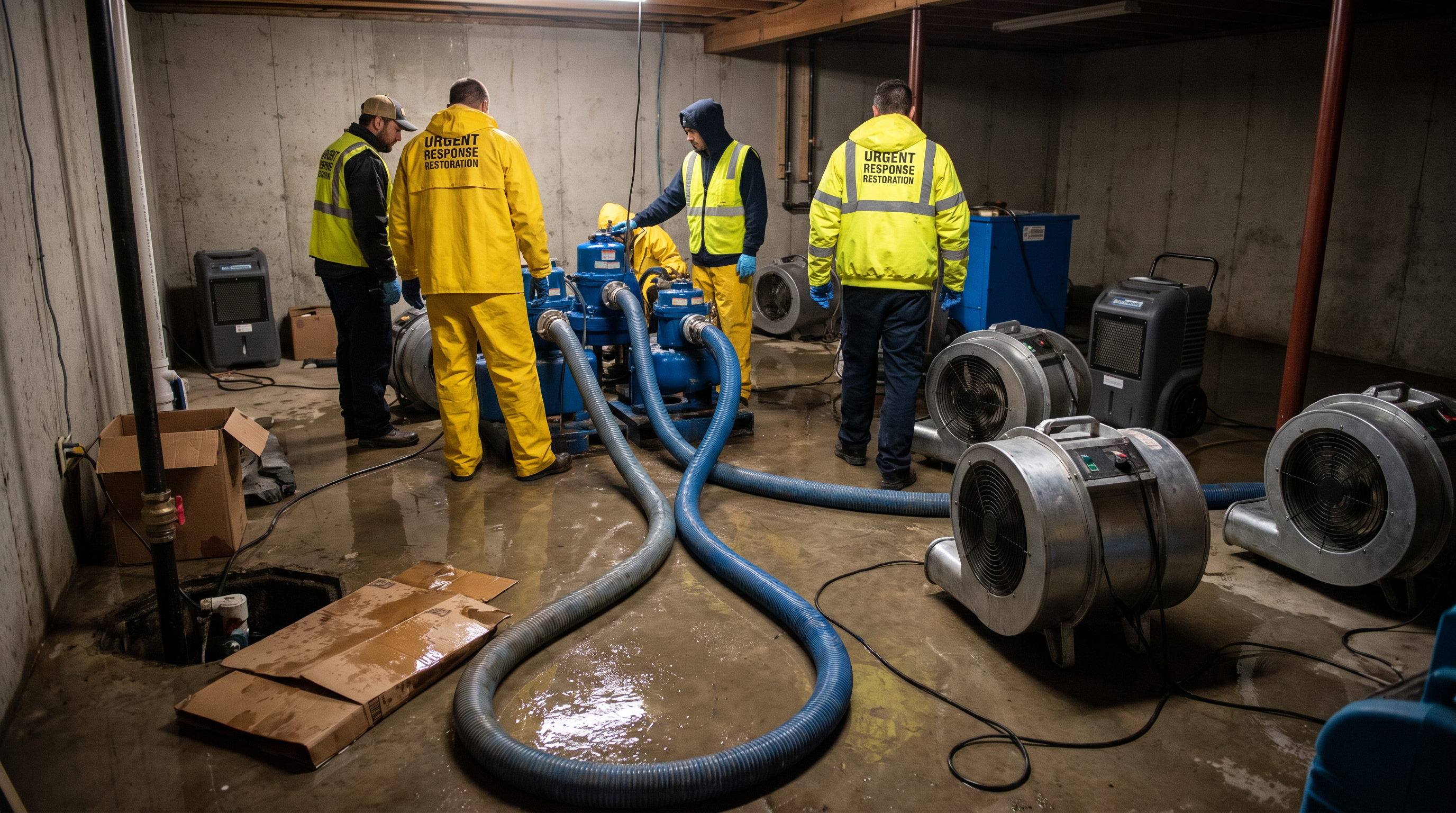
Naperville Water Damage Cleanup connects property owners with licensed contractors who can extract water, document the loss, set drying equipment, treat affected materials where appropriate, and help homeowners move quickly with State Farm, Allstate, Country Financial, Erie, or another carrier.
Cleanup calls in Naperville are often immediate-crisis calls, not long planning projects. The first priorities are stopping the source, removing standing water, protecting contents, documenting the condition, and drying materials before mold has a chance to start.
Local conditions shape the work. Sump pump failure during a spring storm is different from a burst supply line in an upstairs bathroom, and both are different from sewage backup through a floor drain. The contractor match needs to account for water category, basement finish level, moisture hidden behind walls, insurance documentation, and whether Illinois mold remediation licensing comes into play.
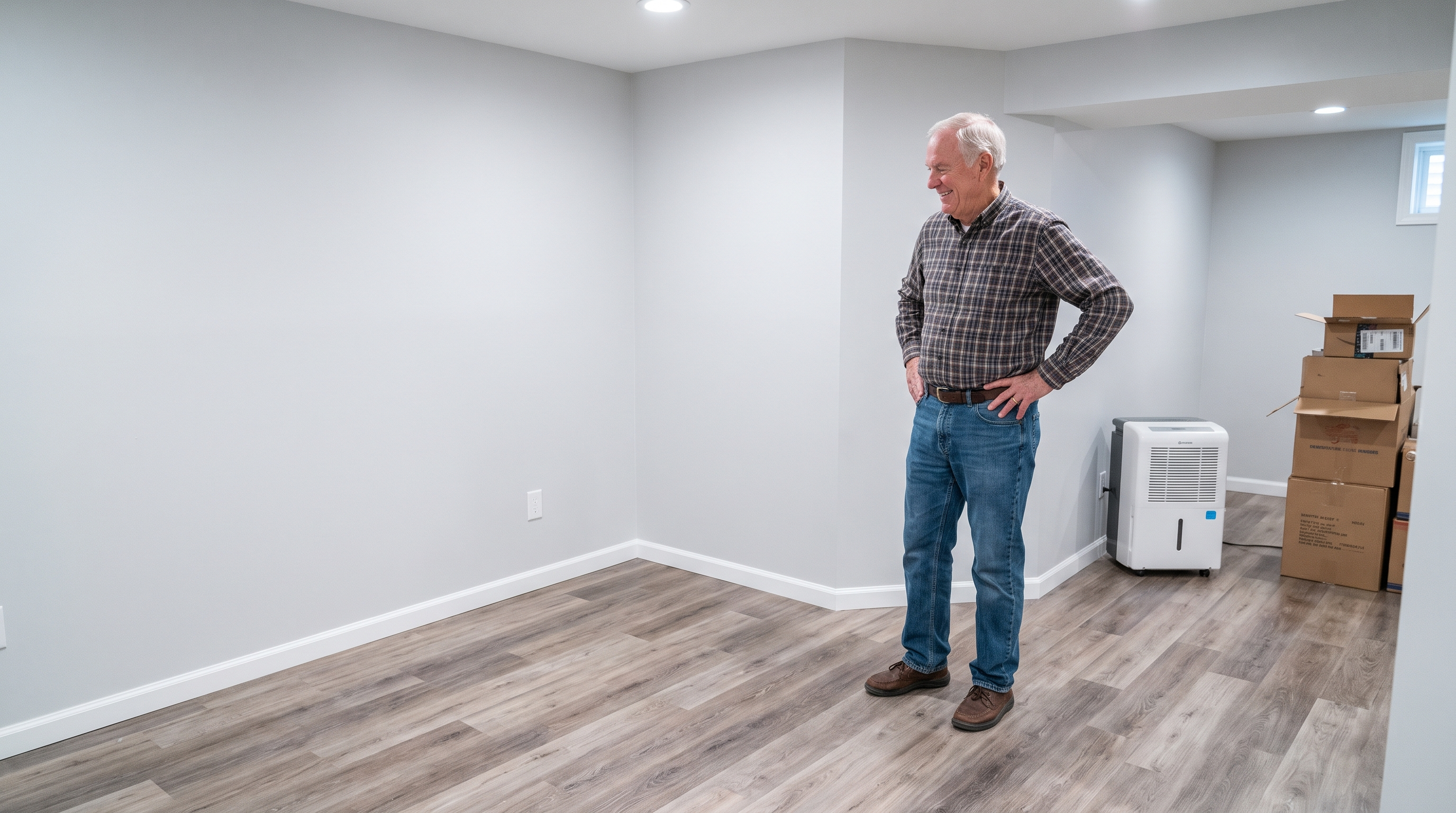
The practical goal is simple: get the water out, prove what got wet, dry the structure correctly, prevent avoidable mold, and preserve as much property as possible before the claim becomes more expensive.
More about us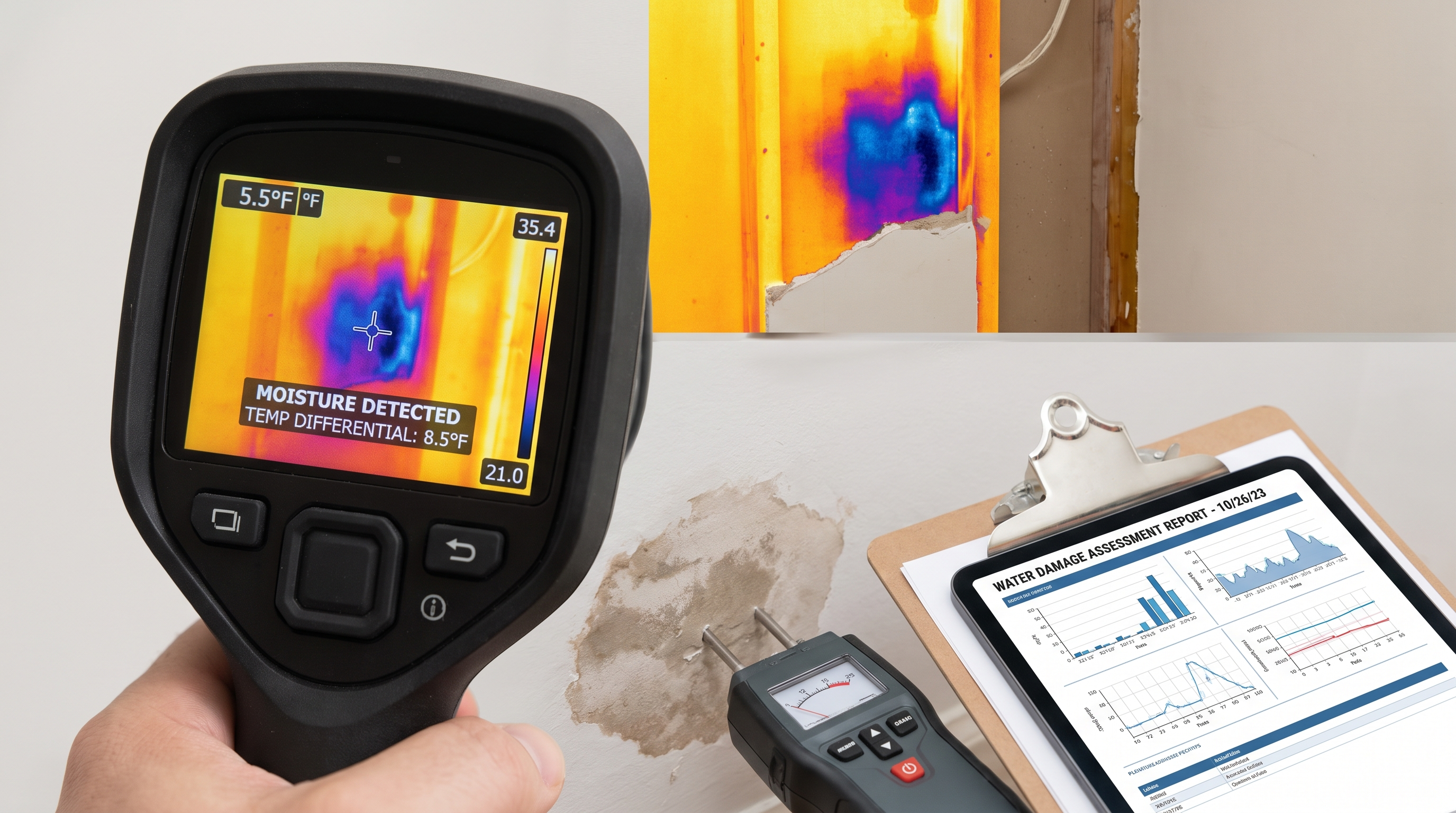
Water damage can affect the structure, the air, the contents, and the insurance file at the same time. These services cover the urgent cleanup work Naperville homeowners usually need after a leak, flood, backup, or sump failure.
Emergency water extraction removes standing water from basements, floors, carpet, and hard surfaces before it spreads into materials.
Learn more →Structural drying uses moisture mapping, air movement, dehumidification, and monitoring to dry walls, floors, framing, and hidden cavities.
Learn more →Mold prevention treatment reduces the chance of growth after water damage through fast drying, material removal, cleaning, and antimicrobial application.
Learn more →Content restoration protects belongings through inventory, pack-out, drying, cleaning, storage, and insurance documentation after water damage.
Learn more →Sewage cleanup handles contaminated Category 3 water with PPE, extraction, disposal, cleaning, antimicrobial treatment, and drying.
Learn more →Basement flood cleanup handles sump pump failures, storm water, wet finishes, contents, drying, and documentation after lower-level water damage.
Learn more →Naperville Water Damage Cleanup serves Naperville and nearby communities including Aurora, Bolingbrook, Lisle, Warrenville, and Plainfield. The service area follows the western suburbs where river corridors, heavy spring rain, clay soil, finished basements, and sump pump dependence all create water damage risk.
A flooded basement near downtown Naperville, a Lisle home close to the East Branch, an Aurora split-level with wet carpet, a Bolingbrook subdivision with a failed sump pump, or a Plainfield home near the DuPage River all need fast cleanup and careful documentation before materials are removed.
See all service areas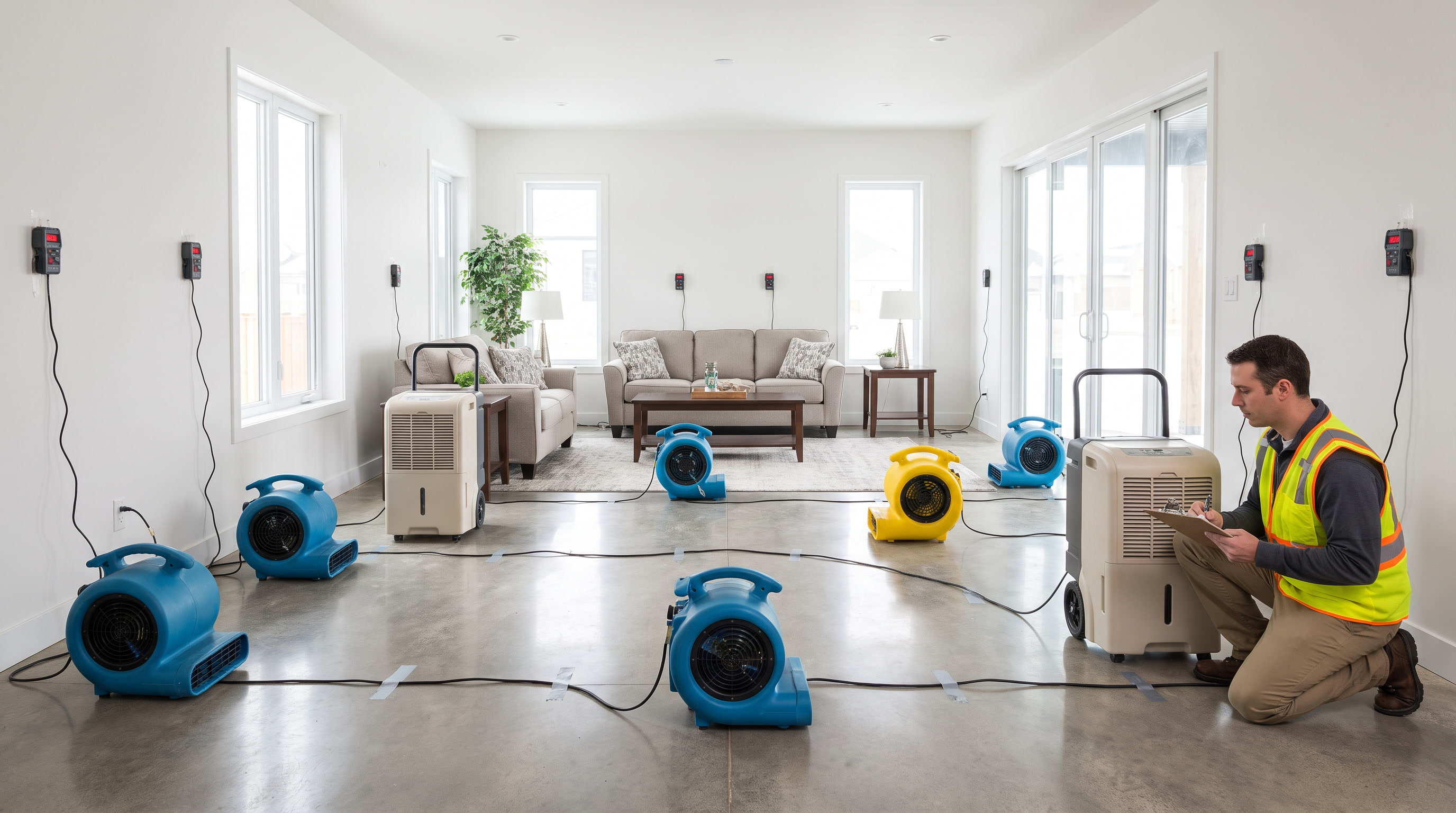
Water damage gets worse while a homeowner waits for callbacks. The service connects callers with available contractors who can prioritize extraction, source control, and drying setup for urgent Naperville losses.
Finished basements are common across Naperville's 1960s through 1980s housing stock. Contractors look beyond standing water to carpet pad, drywall seams, base plates, insulation, contents, and mechanical rooms where moisture can stay hidden.
DuPage County water damage claims often run from $10,000 to $25,000 according to local insurance context. Photos, moisture readings, room notes, and source details should be captured before demolition, disposal, or drying changes the evidence.
Mold can begin within 24 to 48 hours after wet materials sit. Fast extraction, dehumidification, material removal, and antimicrobial treatment where appropriate reduce the chance that a water cleanup becomes a licensed mold remediation project.
The first call should happen within minutes of finding the water. Drywall, wood, carpet pad, and contents can absorb moisture in the first day, and mold risk rises after 24 to 48 hours. Good emergency contractors can often respond within 2 to 4 hours in urgent cases.
Many DuPage County water damage claims fall in the $10,000 to $25,000 range, depending on the source, how long water sat, the rooms affected, and whether mold or sewage is involved. Your deductible, coverage, and whether the loss was sudden and accidental all affect the final out-of-pocket cost.
The contractor checks the source, documents affected rooms, extracts standing water, removes materials that cannot be saved, sets air movers and dehumidifiers, then monitors moisture until drying targets are reached. Contents, insurance photos, and mold prevention should be handled early instead of after demolition.
Illinois requires licensed mold remediation contractors for mold remediation work. If a Naperville water loss has visible mold or has been wet long enough for mold to develop, the job may need a licensed mold remediation contractor rather than basic drying alone.
It depends on the policy. Sudden pipe bursts and accidental appliance leaks are often handled differently from groundwater, seepage, river flooding, or sump pump failure. Many policies require a sump pump or water backup endorsement, so homeowners should document the source and call the carrier quickly.
Free estimate. No obligation. Start cleanup before water moves deeper into the home.
Free — no obligations